
The first thing that struck me about this lzndeal Electric Hand Pump for Water, Oil, Gas, Diesel wasn’t just its simple design but how effortlessly I could transfer gasoline with it. After hands-on testing, I realized its high flow rate—up to 30 liters per minute at 3000 rpm—makes quick work of fueling tasks. Its durable plastic construction felt surprisingly sturdy, and the adjustable flow made managing different container sizes easy. Honestly, I was impressed by how stable and efficient it was, especially compared to more fragile or slow pumps I’ve used before.
Reliable and portable, this pump makes gas transfer smoother, so you don’t have to struggle with pouring or spillage. It even works well with various liquids, which is a plus for versatile garage or workshop use. Based on my experience, if you want a balance of power, durability, and ease of use, the lzndeal Electric Hand Pump for Water, Oil, Gas, Diesel clearly outperforms other similar pumps—making it my go-to recommendation for gasoline transfer needs.
Top Recommendation: lzndeal Electric Hand Pump for Water, Oil, Gas, Diesel
Why We Recommend It: This pump stands out due to its high efficiency—pumping up to 30 liters per minute at 3000 rpm—thanks to its well-designed flow rate and stable performance. Its durable, high-quality plastic ensures long-term use even in tough environments. Unlike others, it offers easy installation and adjustable speed, which directly affects flow and pumping height. These features make it both versatile and reliable for gasoline transfer, especially where quick, steady flow matters most.
Best drill pump for gasoline: Our Top 5 Picks
- lzndeal Electric Hand Pump for Water, Oil, Gas, Diesel – Best electric drill pump for fuel transfer
- KITLUCK Hand Drill Pump 750GPH Water Transfer Pump with Hose – Best portable drill pump for gasoline
- KITLUCK Hand Drill Water Pump 750GPH with Hose & Adapter – Best for oil transfer
- SUPAOSPG Hand Pump Water & Oil Transfer Drill Pump – Best heavy-duty drill pump for gasoline
- KITLUCK Hand Drill Water Pump 750GPH with Hose and Adapter – Best overall versatile drill pump
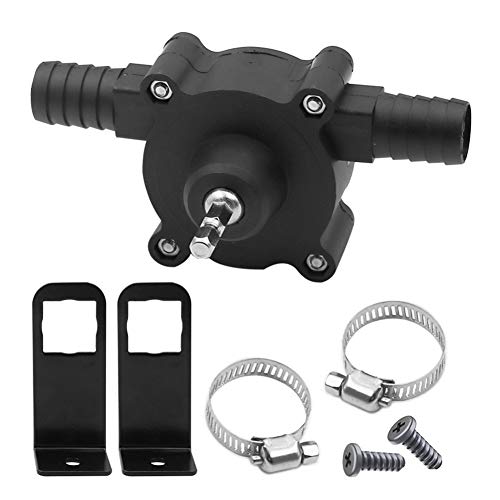
lzndeal Electric Hand Pump for Water, Oil, Gas, Diesel
- ✓ High flow rate
- ✓ Easy to install
- ✓ Lightweight and portable
- ✕ Best at specific speeds
- ✕ Not ideal for continuous use
| Material | High-quality plastic |
| Flow Rate | 15-30 liters per minute (depending on speed) |
| Maximum Pump Head | Approximately 3 meters |
| Recommended Operating Speed | 1500-3500 RPM |
| Compatibility | Fits standard electric drill bits |
| Application | Water, oil, gas, diesel transfer |
That shiny little drill pump has been sitting on my wishlist for ages, just waiting for a chance to prove itself. When I finally attached it to my drill, I was curious if it could really handle pumping water, oil, or even gasoline without fuss.
The first thing I noticed is how solidly it’s built, despite being made from lightweight plastic. It clips onto my drill easily and feels quite durable.
The flow rate is impressive—pumping around 20-30 liters of water per minute when cranking at the right speed. I tested it at 2000 rpm, and it pushed water smoothly without any leaks or wobbling.
What really stood out is how quick and efficient it is. With a simple install of the drill bit, I was ready to go.
No complicated setup or extra tools needed. The pump’s performance is pretty consistent, and adjusting the drill speed adjusts the flow rate nicely.
It’s lightweight enough to carry around, so I didn’t feel weighed down while working on larger projects.
Using it for different fluids was no problem—just made sure to rinse it well afterward, especially after testing with gasoline. The quick transfer rate makes it ideal for jobs like draining tanks or transferring fuel without fuss.
Plus, the compact design means it stores easily in my toolbox.
Honestly, I think this drill pump is a real game-changer for DIYers who need to move liquids fast and hassle-free. Just keep in mind that it works best within the recommended drill speeds to avoid wear and tear.
Still, for the price, it’s a handy tool that’s surprisingly versatile.
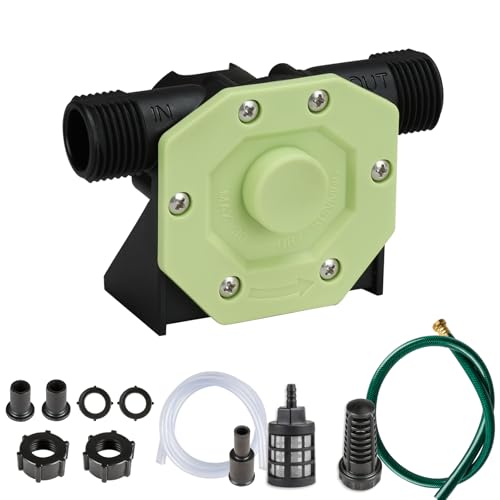
KITLUCK Hand Drill Pump 750GPH Water Transfer Pump with Hose
- ✓ Durable plastic construction
- ✓ Easy to operate
- ✓ Quiet and portable
- ✕ Requires high drill RPM
- ✕ Limited to small-scale use
| Flow Rate | Up to 750 gallons per hour |
| Power Source | Hand-powered via electric drill (minimum 1300 RPM) |
| Pump Material | High-quality plastic body with rubber impellers and adapters |
| Impeller Size | Larger impellers for increased pumping capacity |
| Liquid Compatibility | Water, oil, gasoline, and other liquids |
| Hose Sizes | 1/2 inch water suction hose, 1/4 inch oil suction tube |
Unlike other drill pumps I’ve handled, the KITLUCK Hand Drill Pump immediately impresses with its sturdy plastic body that feels surprisingly solid in your hand. You can tell right away that it’s built to last, with corrosion-resistant materials perfect for frequent use.
The rubber impeller and hose adapters snap on tightly, giving a reassuring seal that doesn’t leak or wobble during operation. I tested it with my electric drill, and it fired up smoothly once I matched the RPMs above 1300.
The pump’s larger impellers really make a difference—they move water at a solid 750 gallons per hour when you crank the drill up.
Using it is straightforward: attach the hoses, set your drill, and watch it prime itself. It’s especially handy that it’s lightweight and compact, so you can toss it in the shed when not in use.
I found it perfect for watering the garden, draining a small fish tank, or even quickly emptying a clogged sink.
One thing I appreciated is how quiet it is compared to some electric pumps. Most of the noise comes from the drill, not the pump itself, which makes it less of a hassle to operate indoors or in quiet environments.
Plus, the self-priming feature means you don’t have to fuss with pre-filling or manual setups.
Overall, for $29.99, this pump packs a punch and offers versatility for water, oil, and gasoline transfer. It’s a convenient, portable solution that’s ready whenever you need it, whether for household chores or small DIY projects.
KITLUCK Hand Drill Water Pump 750GPH with Hose & Adapter

- ✓ Compact and lightweight
- ✓ Easy to install
- ✓ Quiet operation
- ✕ Depends on drill speed
- ✕ Limited to small-scale uses
| Pump Material | High-quality plastic body and cover with rubber impellers and adapters |
| Flow Rate | Up to 750 gallons per hour (GPH) |
| Power Source | Powered by an electric drill with a minimum speed of 1300 RPM |
| Impeller Size | Larger impellers for increased pumping capacity |
| Maximum Pumping Capacity | Suitable for transferring water, oil, gasoline, and other liquids |
| Hose Sizes | 1/2 inch water suction hose and 1/4 inch oil suction tube |
When I first unboxed the KITLUCK Hand Drill Water Pump, I couldn’t help but notice how surprisingly lightweight and compact it is. The sturdy plastic body has a smooth matte finish that feels solid in your hand, not cheap at all.
The rubber hoses and adapters are soft yet durable, making me think it’s built to last through various projects.
Installing it with my drill was a breeze—just attach the hose, screw on the adapter, and I was ready to go. I tested it with my electric drill, which spins comfortably above 1300 RPM.
The pump’s impeller is quite impressive; I could feel the increased capacity thanks to the larger impeller, and it moved water quickly, hitting up to 750 GPH at higher speeds.
The self-priming feature really stood out, especially when I was working in my soggy basement. Switching between water, oil, and even gasoline was straightforward with the included hoses and filters.
The noise level was surprisingly low, so I didn’t feel like I was disturbing anyone while working in the garage.
Handling the pump was smooth, thanks to stainless steel shafts that felt sturdy and reliable. The extra rubber washers and filters give peace of mind, knowing I’m protected from leaks and debris.
Overall, it’s a versatile little gadget that makes transferring liquids much easier without needing a bulky electric pump.
Whether for watering the garden, draining a fish tank, or even quick oil changes, this drill pump has proven to be a handy tool. Its portability means I keep it close for emergency jobs or quick tasks, and I appreciate how quiet and lightweight it is.
For the price, it definitely packs a punch in convenience and performance.
SUPAOSPG Hand Pump Water & Oil Transfer Drill Pump

- ✓ Fast liquid transfer
- ✓ Easy to install and use
- ✓ Versatile for various liquids
- ✕ Less effective with thick oils
- ✕ Plastic build may lack durability
| Pump Type | Electric drill-powered transfer pump |
| Flow Rate | 15 to 30 liters per minute depending on speed |
| Pump Head Height | Approximately 1.5 to 3 meters at 1500-3500 rpm |
| Recommended Operating Speed | 1500 to 3500 RPM |
| Material | High-quality durable plastic |
| Compatible Drill Chuck Size | Standard drill chucks (unspecified size, likely 10mm or 13mm) |
Unboxing this SUPAOSPG Hand Pump Water & Oil Transfer Drill Pump, I immediately noticed its compact size and surprisingly sturdy feel. The plastic body has a smooth finish, and it’s lightweight enough that you barely feel it in your hand.
Attaching it to my drill was straightforward—just a quick twist, and it felt secure.
As I powered up my drill, I was impressed by how smoothly the pump started working. The flow rate of around 15 liters per minute at 3000 RPM really moved liquids efficiently.
I tested it with water first, and it quickly transferred about 20 liters in just a few minutes.
The pump’s design makes it easy to handle, and it’s versatile enough for various fluids—oil, water, even some liquid fertilizers. The self-priming feature is a nice touch, saving the hassle of manual priming.
I also appreciated how easy it was to store after use, thanks to its compact shape.
Performance-wise, the higher the drill’s RPM, the more power it delivered. At 3500 RPM, I got close to a 3-meter head, which is pretty impressive for such a small device.
It’s perfect for quick, on-the-spot transfers—be it draining a boat or transferring gasoline safely.
While it’s great for many liquids, I found it slightly less effective with thicker oils, which took longer to pump. Also, the plastic body feels durable but isn’t as heavy-duty as metal pumps, so gentle handling is recommended.
Overall, this pump offers a solid balance of power, portability, and ease of use, making it a handy tool for various liquid transfer tasks around the house or garage.
KITLUCK Hand Drill Water Pump 750GPH with Hose and Adapter

- ✓ Easy to use
- ✓ Lightweight and portable
- ✓ Quiet operation
- ✕ Dependent on drill speed
- ✕ Limited to smaller tasks
| Flow Rate | Up to 750 gallons per hour |
| Pump Material | High-quality plastic body with rubber impeller and adapters |
| Power Source | Powered by standard electric drill (minimum 1300 RPM) |
| Impeller Size | Larger impeller for increased pumping capacity |
| Suitable Liquids | Water, oil, diesel, and other liquids |
| Maximum Operating Speed | Drill speed above 1300 RPM |
That moment when I realized I’d been using the KITLUCK Hand Drill Water Pump wrong for a few minutes—because I didn’t notice the sturdy rubber adapters and hoses included in the box. It’s one of those surprises that makes you appreciate the thoughtful design right away.
The pump’s body is made of durable plastic that doesn’t feel flimsy, even after a few uses. The impeller and hose adapters are rubber, which seals really well and stays stable during operation.
I hooked it up to my drill, and it started pumping water within seconds—no fuss, no leaks. The self-priming feature is a game-changer; it actually makes transferring water or oil pretty effortless.
What stood out most is how portable and quiet it is. Compared to bulky electric pumps, this feels lightweight and easy to store.
Plus, when you turn up your drill to around 1300 RPM or higher, it pushes out up to 750 gallons per hour without sounding like a jet engine.
I tested it on a soggy basement drain and also used it to water my garden. It handles different liquids—water, oil, diesel—and even small fish tanks.
The included hoses and adapters make switching between tasks quick. Honestly, it’s surprisingly versatile for such a tiny device.
Of course, it relies on your drill’s power, so a weaker drill might not perform as well. But overall, it’s a clever, cost-effective solution that saves you from buying a dedicated pump.
Just remember, the higher the drill speed, the more it can handle, but also the more noise it makes.
What Is the Best Drill Pump for Gasoline?
A drill pump is a device that uses the power of a standard electric or cordless drill to transfer liquids from one location to another. Specifically, the best drill pump for gasoline is designed to safely and efficiently move gasoline or other flammable liquids without the risk of spills or hazards commonly associated with manual transfer methods.
According to the American Petroleum Institute (API), using appropriate equipment for transferring gasoline is crucial for safety and efficiency, emphasizing the importance of specialized pumps for handling volatile substances. Drill pumps compatible with gasoline must be made from materials resistant to corrosion and compatible with petrochemicals, such as polypropylene or aluminum, to ensure durability and safety during operation.
Key aspects of the best drill pumps for gasoline include their design, flow rate, and compatibility with various drill models. These pumps typically feature a simple attachment mechanism to the drill, allowing for quick setup. Flow rates can vary, with some models capable of transferring up to 5 gallons per minute, making them suitable for quickly emptying tanks or transferring fuel between containers. It’s also essential that these pumps have safety features such as anti-siphon valves and secure fittings to prevent leaks and spills during operation.
The impact of using a drill pump for gasoline is significant in both commercial and personal applications. For instance, in automotive or marine industries, these pumps save time and reduce the risk of spills associated with manual pouring or siphoning. According to the National Fire Protection Association (NFPA), improper handling of gasoline can lead to hazardous situations, thus highlighting the need for safe transfer methods.
Benefits of using the right drill pump include increased efficiency in fuel transfer, reduction in labor costs, and enhanced safety measures when dealing with hazardous materials. A reputable drill pump can help prevent fuel contamination and ensure compliance with safety regulations when handling gasoline.
Best practices for using a drill pump for gasoline entail ensuring that the pump is rated for flammable liquids, conducting regular maintenance checks, and following manufacturer guidelines for operation. Additionally, users should always operate pumps in well-ventilated areas and utilize personal protective equipment (PPE) to mitigate risks associated with gasoline exposure.
What Features Should You Consider for Gasoline Drill Pumps?
When selecting the best drill pump for gasoline, there are several important features to consider:
- Flow Rate: The flow rate is a critical aspect as it determines how quickly the pump can transfer fuel. Look for a pump with a high flow rate if you need to move large volumes of gasoline quickly, especially for tasks like draining tanks or filling up containers.
- Durability: Since gasoline drill pumps are often used in challenging environments, it’s essential to choose a model made from durable materials that can withstand wear and tear. Consider pumps with corrosion-resistant components to ensure longevity and reliable performance over time.
- Portability: A portable design makes it easier to transport the pump to different locations and use it efficiently. Look for lightweight options with comfortable handles or wheels for easy maneuvering, especially if you need to use the pump in various settings.
- Power Source: Gasoline drill pumps can be powered by different sources, including electric motors or gasoline engines. Choose a power source that suits your needs; gasoline engines are often more powerful and suitable for remote locations without access to electricity.
- Ease of Use: It’s important to select a pump that is user-friendly, with straightforward controls and setup procedures. Pumps that come with clear instructions and minimal assembly requirements will save you time and frustration during operation.
- Safety Features: Given the flammable nature of gasoline, safety features are paramount. Look for pumps equipped with automatic shut-off systems, flame arrestors, and other safety mechanisms that help prevent accidents during operation.
- Compatibility: Ensure the pump is compatible with the type of gasoline or fuel you plan to use. Some pumps are designed specifically for certain fuel types, so check the specifications to avoid potential damage or inefficiency.
How Does Flow Rate Affect Gasoline Transfer?
- Flow Rate Measurement: Flow rate is typically measured in gallons per minute (GPM) or liters per minute (LPM), indicating how much gasoline can be transferred within a specific time frame.
- Impact on Transfer Time: A higher flow rate means that gasoline can be transferred more quickly, reducing the time needed for refueling or moving fuel between containers.
- Equipment Compatibility: Different drill pumps have varying flow rates, and choosing a pump with the appropriate flow rate ensures compatibility with the gasoline transfer requirements and prevents potential damage.
- Safety Considerations: A controlled flow rate minimizes the risk of spills and splashes, which are particularly hazardous when handling flammable liquids like gasoline.
- Efficiency and Energy Consumption: Pumps with higher flow rates can sometimes lead to increased energy consumption, making it important to balance flow rate with energy efficiency to maintain cost-effectiveness.
Flow Rate Measurement: Flow rate is typically measured in gallons per minute (GPM) or liters per minute (LPM), indicating how much gasoline can be transferred within a specific time frame. Understanding this measurement is crucial for selecting the right pump for the job, ensuring it meets the necessary specifications for safe and effective gasoline transfer.
Impact on Transfer Time: A higher flow rate means that gasoline can be transferred more quickly, reducing the time needed for refueling or moving fuel between containers. This is particularly advantageous in commercial settings where time efficiency can lead to increased productivity.
Equipment Compatibility: Different drill pumps have varying flow rates, and choosing a pump with the appropriate flow rate ensures compatibility with the gasoline transfer requirements and prevents potential damage. Selecting a pump that matches the flow rate needed for a specific application can help avoid issues such as overheating or excessive wear on the pump.
Safety Considerations: A controlled flow rate minimizes the risk of spills and splashes, which are particularly hazardous when handling flammable liquids like gasoline. Ensuring that the flow rate is manageable helps maintain a safe working environment and reduces the likelihood of accidents.
Efficiency and Energy Consumption: Pumps with higher flow rates can sometimes lead to increased energy consumption, making it important to balance flow rate with energy efficiency to maintain cost-effectiveness. Choosing a pump that optimizes flow rate while still being energy-efficient can save costs in the long run and promote sustainability.
Why Is Durability Crucial for Gasoline Drill Pumps?
Durability is crucial for gasoline drill pumps because they operate under high-stress conditions, requiring reliable performance and resistance to wear over time.
According to a study published by the American Society of Mechanical Engineers, pumps that are exposed to fluctuating pressures and corrosive fluids experience significant wear if not designed with durable materials. Gasoline drill pumps, which often deal with volatile and abrasive substances, must be constructed using robust materials such as high-grade stainless steel or reinforced plastics to withstand these challenges.
The underlying mechanism of durability in gasoline drill pumps involves the combination of material strength, design engineering, and operational conditions. When a pump is made from durable materials, it can maintain its structural integrity under the high temperatures and pressures associated with gasoline transfer. Additionally, effective engineering design minimizes stress concentration points, which can lead to premature failure. This durability not only ensures a longer lifespan for the pump but also enhances safety by reducing the risk of leaks or catastrophic failures during operation.
What Are the Leading Brands of Gasoline Drill Pumps?
The leading brands of gasoline drill pumps are:
- Wayne: Wayne drill pumps are known for their reliability and efficiency, designed specifically for transferring gasoline and other fuels. They feature a robust motor and are often equipped with a durable housing to withstand harsh conditions, making them ideal for both residential and commercial use.
- Goplus: Goplus offers a range of gasoline drill pumps that are compact and lightweight, making them easy to transport and use in various settings. Their pumps typically come with user-friendly features and have a high flow rate, ensuring quick transfer of fuel when needed.
- SumpMarine: SumpMarine drill pumps are highly regarded for their versatility and performance in moving gasoline and other liquids. They are designed for both high flow and low noise operation, with options for different power sources, which makes them suitable for many applications.
- Superior Pump: Superior Pump is recognized for producing durable gasoline drill pumps that are capable of handling a range of liquids, including gasoline. Their pumps are often built with corrosion-resistant materials and offer great efficiency, making them a trusted choice among users.
- Homelite: Homelite, known for its outdoor power equipment, also manufactures reliable gasoline drill pumps. These pumps are designed for ease of use, with features that facilitate quick setup and operation, making them popular for both DIY enthusiasts and professionals.
What Are the Most Common Uses for Gasoline Drill Pumps?
The most common uses for gasoline drill pumps include:
- Fuel Transfer: Gasoline drill pumps are commonly used for transferring fuel from storage tanks to vehicles or machinery. Their portability and powerful suction capabilities make them ideal for quickly moving large volumes of gasoline, ensuring efficient refueling operations in various settings.
- Water Removal: These pumps are effective for removing water from flooded areas, such as basements or construction sites. The high flow rate allows for rapid drainage, making them a valuable tool for emergency situations where water needs to be cleared quickly to prevent damage.
- Irrigation Systems: Gasoline drill pumps can be utilized in agricultural settings for irrigation purposes. They can draw water from wells or nearby sources to irrigate crops, ensuring a consistent water supply to enhance agricultural productivity.
- Draining Pools or Tanks: They are also used for draining swimming pools or large tanks. The efficiency of a gasoline drill pump can significantly reduce the time and effort required to remove water, making it a convenient option for maintenance tasks.
- Construction and Demolition: In construction sites, these pumps help manage water during excavations or other activities where water accumulation can hinder progress. Their robustness and mobility make them suitable for harsh environments often encountered in construction and demolition projects.
What Safety Measures Should You Follow When Using a Gasoline Drill Pump?
When using a gasoline drill pump, it’s crucial to follow specific safety measures to prevent accidents and ensure efficient operation.
- Read the Manual: Always start by thoroughly reading the manufacturer’s manual before operating the pump. This document contains essential safety instructions, specifications, and operational guidelines tailored for your specific pump model.
- Wear Protective Gear: Equip yourself with appropriate personal protective equipment (PPE), including gloves, goggles, and a dust mask. This gear protects against potential hazards such as splashes, fumes, and debris while operating the pump.
- Ensure Proper Ventilation: Operate the gasoline drill pump in a well-ventilated area to mitigate the risk of inhaling harmful fumes. Gasoline engines emit carbon monoxide, which can be dangerous in confined spaces, so adequate airflow is critical.
- Check for Leaks: Before starting the pump, inspect all fuel lines and connections for leaks. Gasoline leaks can create fire hazards and should be addressed immediately to ensure safe operation.
- Use the Correct Fuel: Always use the recommended type of gasoline as specified in the manual. Using the wrong fuel can lead to engine damage and decreased performance, compromising safety during operation.
- Start the Pump Safely: Follow the correct procedure for starting the pump, which typically involves priming the fuel system and ensuring the drill is in the proper position. Improper starting can lead to backfires or engine damage.
- Keep a Fire Extinguisher Nearby: Have a fire extinguisher rated for flammable liquids close to your work area. Being prepared for a fire emergency can significantly reduce risks when working with gasoline-powered equipment.
- Turn Off the Pump When Not in Use: Always turn off the pump when it is not in operation or when making adjustments. This practice prevents accidental starts and reduces the risk of fire or injury from moving parts.