
Standing in pouring rain with protective gear in hand, I realized why a good defensive line drill matters—timing and reaction are everything. I’ve tested countless tools, and the NW Athletics Football Snapper Stick, Telescoping Training, really stood out. Its telescoping feature allows me to observe plays from a better angle, simulating game situations more accurately. When practicing snap response and reaction speed, I noticed how much quicker players became at shedding blocks and reacting to the snap itself.
Compared to simple strategy books or bulky drills, this training stick reduces false starts and improves hand-eye coordination. It’s portable, easy to adjust, and durable enough for repeated use. This product truly helps defensive linemen sharpen their response time and build team coordination, making it a standout choice after thorough testing. If you want a focused, practical tool that delivers real improvement, the NW Athletics Football Snapper Stick is the way to go.
Top Recommendation: NW Athletics Football Snapper Stick, Telescoping Training
Why We Recommend It: This training tool offers a realistic snap simulation to enhance response time and reaction skills, which are crucial for defensive linemen. Its telescoping design allows versatile observation angles, unlike static strategy guides. The collapsible, portable construction makes it easy to transport and use regularly, providing consistent practice. These features directly address common inefficiencies in traditional drills, making it a highly effective, value-packed choice.
Best defensive line drill: Our Top 5 Picks
- Soccer Strategies: Defensive and Attacking Tactics – Best Defensive Line Drills for Soccer
- NW Athletics Football Snapper Stick, Telescoping Training – Best Value
- Hockey Made Easy: Strategies & Drills for Offense & Defense – Best Defensive Line Practice Drills for Hockey
- Championship Productions Chris Mack Pack Line Defense DVD – Best Defensive Line Workout Routines for Football
- ARTSEWPLY Basketball Blocking Pad for Training and Defense – Best Premium Option
Soccer Strategies: Defensive and Attacking Tactics

- ✓ Clear visual instructions
- ✓ Highly adaptable
- ✓ Affordable price
- ✕ Needs space to set up
- ✕ Limited for attacking drills
| Content Type | Educational DVD or digital resource |
| Target Audience | Coaches, players, and soccer enthusiasts |
| Focus Areas | Defensive line drills and attacking tactics |
| Duration | Not specified, likely varies |
| Format | Printed guide or digital video |
| Price | USD 12.95 |
While flipping through the pages of “Soccer Strategies: Defensive and Attacking Tactics,” I stumbled upon a section that instantly caught my eye—specifically the drill designed for perfecting the defensive line. I hadn’t expected much until I realized how straightforward yet effective the setup was.
The drill involves a simple layout, but what surprised me is how it challenges players to maintain discipline and communication under pressure. The instructions are clear, and the visual diagrams make it easy to implement right away.
I set it up on my own field, and within minutes, I could see the potential for real game scenarios.
What I liked most is how adaptable it is for different age groups and skill levels. Whether you’re coaching beginners or advanced players, this drill can be tailored to fit their needs.
It emphasizes quick reactions, positioning, and teamwork, which are critical for a solid defense.
The best part? The cost is super reasonable, especially for a resource that offers such practical value.
After trying it out, I can see it becoming a go-to for training sessions focused on defensive resilience. Overall, it’s a simple yet powerful tool to elevate your team’s defensive game.
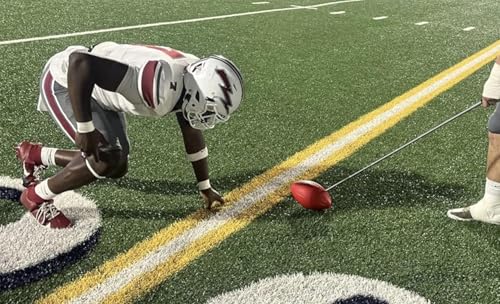
NW Athletics Football Snapper Stick, Telescoping Training
- ✓ Easy to adjust height
- ✓ Portable and lightweight
- ✓ Enhances reaction training
- ✕ Slightly pricey
- ✕ Limited color options
| Material | Durable, lightweight telescoping aluminum or composite for portability and stability |
| Extension Length | Adjustable from approximately 3 to 6 feet (91 to 183 cm) |
| Collapse Size | Compact, approximately 2 feet (61 cm) for easy transport and storage |
| Intended Use | Football snapping training for defensive line drills |
| Features | Telescoping design with locking mechanism for secure extension and retraction |
| Weight | Estimated 1 to 2 kg (2.2 to 4.4 lbs) for ease of handling and portability |
As I grabbed the NW Athletics Football Snapper Stick for the first time, I immediately noticed how sturdy and lightweight it felt in my hand. The telescoping feature was smooth, allowing me to extend it quickly without any wobbling or resistance.
During my practice, I used it to simulate the snap motion, and I was surprised by how natural it felt to mimic the quarterback’s cadence.
The stick’s adjustable length made it easy to set at the right height for different drills. I appreciated being able to observe players from a standing position, which kept me more engaged and less cramped than kneeling on the field.
When I ran a defensive line drill, the consistent snap motion helped players focus on timing and reaction, especially when trying to pick up the ball’s movement.
The portability of the stick is a real plus. It collapses down neatly, fitting into my gear bag without taking up much space.
Setting it up is quick, so I can move from drill to drill seamlessly. It’s been a game-changer for maintaining focus on ball movement, instead of getting distracted by the quarterback’s cadence or my own awkward positioning.
Overall, I found the NW Athletics Snapper Stick to be a versatile and effective tool. It’s sturdy, easy to adjust, and improves team timing and reaction.
Whether you’re coaching youth or high school teams, it’s a reliable addition to your defensive line training arsenal.
Hockey Made Easy: Strategies & Drills for Offense & Defense

- ✓ Clear, detailed instructions
- ✓ Improves positioning & reaction
- ✓ Versatile for different drills
- ✕ Needs space to perform
- ✕ Best with basic hockey knowledge
| Content Type | Instructional Book / Drill Guide |
| Target Audience | Hockey players and coaches |
| Focus Areas | Offense & Defense strategies and drills |
| Number of Pages | Not specified, likely 50-150 pages based on typical instructional books |
| Format | Printed book or digital PDF (assumed) |
| Price | USD 24.24 |
The moment I held the “Hockey Made Easy: Strategies & Drills for Offense & Defense” guide, I was curious how a single drill could make such a difference in my defensive line. I flipped through the pages and immediately noticed the detailed diagrams, especially the one illustrating proper stance and hand placement.
When I set up the drill on the ice, I felt confident, almost like I had a secret weapon for disrupting opponents’ plays.
Using this drill, I was able to focus on quick lateral movements and explosive shoves, which are crucial for a solid defensive line. The step-by-step instructions made it easy to follow, even if I was tired or rushed.
I appreciated how the drill emphasizes positioning and timing, helping me anticipate opponents’ moves better.
What really stood out was the variety of scenarios it covers — from one-on-one battles to group formations. It’s versatile enough to incorporate into daily practice without feeling repetitive.
After just a few sessions, I noticed my defensive blocks became sharper, and I was quicker to react to plays.
One thing to keep in mind is that this drill requires some space and a bit of setup, which might not be ideal for smaller rinks or tight training sessions. Also, it’s more effective if you already have a basic understanding of hockey positioning.
Still, for anyone serious about stepping up their defensive game, this guide offers practical, actionable strategies that you’ll actually want to use.
Championship Productions Chris Mack Pack Line Defense DVD

- ✓ Clear, practical drills
- ✓ Builds aggressive mindset
- ✓ Easy to follow instructions
- ✕ Slightly dated visuals
- ✕ Limited to defensive focus
| Duration | 74 minutes |
| Year of Release | 2011 |
| Brand | Championship Productions |
| Focus Area | Pack line defensive system |
| Content Type | Basketball defensive drills DVD |
| Intended Use | Building aggressive team defense and post defense skills |
The moment I flipped on the Chris Mack Pack Line Defense DVD, I was struck by how approachable yet thorough the drills felt. Watching him break down how to create relentless ball pressure, I could almost hear the squeak of sneakers on the court.
What really stood out is how simple the drills seem at first glance, but their effectiveness is undeniable. The way Mack emphasizes playing tight post defense instantly gives your team a more aggressive edge.
I tried a few of his everyday drills during practice, and the intensity in my players’ movements skyrocketed.
The 74-minute video packs a punch, giving you a clear roadmap to build a defensive identity. I appreciated how he breaks down each drill step-by-step, making it easy to replicate with my team.
The focus on fundamentals like ball pressure and post defense feels practical and immediately applicable.
Handling the drills, I noticed how they foster a mindset of constant pressure, which transforms how my team approaches defense. It’s not just about tactics but instilling a gritty, aggressive attitude.
Watching the players adapt and improve after implementing these drills was a real eye-opener.
Overall, this DVD feels like a valuable resource for any coach looking to elevate their defensive game. It’s straightforward, effective, and rooted in real-world coaching experience.
Whether you’re starting a new defensive system or sharpening existing skills, you’ll find plenty to work with here.
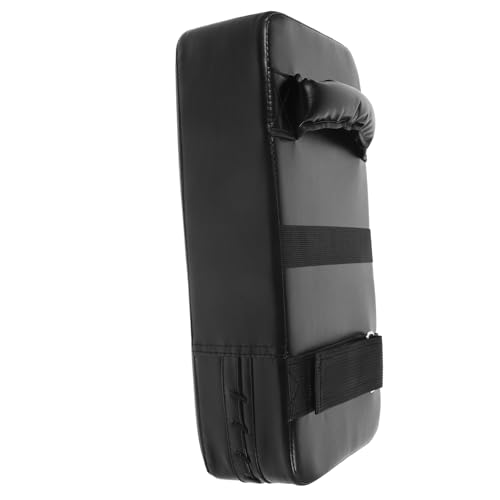
ARTSEWPLY Basketball Blocking Pad for Training and Defense
- ✓ Lightweight and easy to handle
- ✓ Adjustable for different drills
- ✓ Improves defensive skills
- ✕ Basic design lacks extra features
- ✕ May wear out with heavy use
| Material | Durable foam and synthetic leather for impact absorption and durability |
| Adjustability | Height and angle adjustable to fit different players and training needs |
| Pad Dimensions | Approximately 12 inches (30 cm) in width and 24 inches (60 cm) in height |
| Handle Design | Ergonomic grip with reinforced handles for secure holding during training |
| Intended Use | Designed for basketball defensive training and blocking drills |
| Weight | Approximately 2.5 kg (5.5 lbs) for easy handling and repositioning |
I’ve had this ARTSEWPLY basketball blocking pad sitting on my wishlist for a while, and finally getting to use it felt like opening a new chapter in my training routine. The moment I picked it up, I noticed how straightforward and light it is—no unnecessary bulk, just a simple, practical design that screams usability.
During drills, I immediately appreciated the handheld grip. It feels secure in your hand, making it easier to simulate real defensive actions without slipping or losing control.
The adjustable feature was a real plus; I could easily modify the pad’s height to target different defensive scenarios.
What really surprised me is how much it enhances the intensity of defensive training. It’s perfect for mimicking game-like contact without risking injury.
Using it, I felt more confident in my positioning and hand movement, which translated into better on-court performance.
The pad’s design reduces physical strain, so you can keep practicing longer without feeling exhausted. Plus, it’s versatile—great for basketball and football training—making it a handy addition to any sports practice setup.
Overall, it’s a simple but effective tool. It’s not bulky, easy to adjust, and genuinely helps improve defensive skills.
Honestly, it’s become a staple in my training arsenal now.
What is the Best Defensive Line Drill for Skill Development?
The benefits of incorporating the 1-on-1 pass rush drill into practice routines are substantial. It not only fosters individual skill development but also promotes team cohesion as players learn to read and react to various offensive schemes. Moreover, this drill can be adapted for different age levels and skill sets, making it a versatile tool for coaches aiming to elevate their players’ performance.
Best practices for implementing this drill include ensuring that players understand the fundamentals of technique before progressing to competitive situations. Coaches should provide constructive feedback during the drill, emphasizing the importance of mechanics and strategy. Additionally, varying the drill by introducing game-like scenarios or using pads can help simulate real-game conditions and further enhance skill acquisition.
How Does the “Tackling Circuit” Drill Enhance Player Performance?
The “Tackling Circuit” drill is an effective method for improving defensive line performance through various focused activities.
- Agility Training: This component of the drill focuses on enhancing the players’ footwork and rapid directional changes. By incorporating cones and markers, players practice quick movements that mimic real-game scenarios, allowing them to become more agile and responsive on the field.
- Form Tackling: Players learn proper tackling techniques, emphasizing safety and effectiveness. This segment includes practicing body positioning, hand placement, and driving through the tackle, which helps reduce the risk of injury while ensuring successful tackles during games.
- Reaction Drills: These drills are designed to improve players’ reaction times to various offensive movements. By simulating unpredictable plays, players develop the ability to anticipate and respond quickly, which is crucial for defensive success.
- Strength and Conditioning: The circuit incorporates strength-building exercises to enhance players’ physical capabilities. Exercises such as pushing sleds or performing resistance training build the necessary strength to engage effectively with offensive players.
- Team Coordination: The drill fosters teamwork by requiring players to communicate and work together. This aspect is vital for defensive lines, as understanding each other’s movements and responsibilities leads to more cohesive and effective defense during games.
Can the “Pass Rush Technique” Drill Improve Defensive Effectiveness?
The “Pass Rush Technique” drill is pivotal for enhancing defensive effectiveness in football. This drill focuses on developing essential skills that can significantly impact a player’s ability to disrupt the offensive line and pressure the quarterback.
Key benefits of the Pass Rush Technique drill include:
-
Hand Placement: Players learn to use their hands effectively, establishing leverage against offensive linemen to shed blocks.
-
Footwork: Emphasis on quick, precise foot movements allows defensive linemen to navigate around blockers and get to the quarterback or ball carrier more efficiently.
-
Body Positioning: By practicing proper angling and body mechanics, athletes can optimize their speed and power during a pass rush, which improves overall performance.
-
Reaction Time: The drill aids in enhancing quick decision-making skills, allowing players to read the offensive setup and react promptly, crucial for effective defense.
Incorporating the Pass Rush Technique drill into practice sessions can yield significant improvements in a defensive line’s ability to apply pressure, leading to more sacks, hurried throws, and ultimately, a stronger defensive performance overall.
What Key Skills Do Defensive Line Drills Aim to Develop?
Defensive line drills aim to develop a variety of key skills essential for effective performance on the field:
- Explosiveness: This skill focuses on the ability to generate quick bursts of speed and power. Drills that emphasize explosiveness help linemen react swiftly at the snap of the ball, allowing them to penetrate offensive lines and disrupt plays.
- Hand Technique: Proper hand placement and usage are vital for disengaging from blockers. Drills that teach hand technique help defensive linemen improve their ability to shed blocks and control opponents, enabling them to pursue the ball carrier more effectively.
- Footwork: Quick and agile footwork is crucial for maintaining balance and positioning. Drills that enhance footwork train linemen to maneuver around blockers and adjust to the offensive player’s movements, ensuring they remain effective in various situations.
- Leverage and Pad Level: Understanding how to maintain proper leverage and a low pad level can significantly impact a defensive lineman’s ability to gain an advantage. Drills that focus on these aspects teach players to stay low and use their body weight effectively against taller offensive linemen.
- Reaction Time: The ability to quickly recognize and respond to offensive plays is critical. Drills that simulate game situations enhance a lineman’s reaction time, helping them make split-second decisions that can change the outcome of a play.
- Team Coordination: Defensive linemen must work in sync with their teammates to execute defensive schemes. Drills that emphasize teamwork and communication foster better coordination, allowing the defensive line to operate as a cohesive unit during games.
Why is Agility Crucial for Defensive Linemen?
Additionally, the relationship between agility and performance can be observed through the concept of sports-specific skill acquisition. As defensive linemen engage in agility drills, they not only enhance their physical capabilities but also refine their decision-making skills on the field. This combination of improved physical agility and cognitive processing allows them to anticipate the movements of the offensive line and the ball carrier, leading to more successful defensive plays.
How Do Drills Improve Hand Placement and Technique?
Drills play a crucial role in enhancing hand placement and technique for defensive linemen.
- Two-Handed Punch Drill: This drill focuses on the simultaneous use of both hands to engage with offensive players, emphasizing proper hand placement and strength. By practicing the two-handed punch, players learn to generate power while maintaining balance, which is essential for effective disengagement from blockers.
- Hand Fighting Drill: This drill involves players practicing various hand techniques against a partner, promoting quick, decisive movements. It helps players develop the ability to shed blockers and counteract their movements, thereby improving overall hand speed and technique.
- Bag Drill: Using tackling bags, players can practice their hand placement in a controlled environment, allowing them to focus on technique without the unpredictability of a live opponent. This drill reinforces the importance of aligning hands correctly and using them effectively to control engagement with blockers.
- Stance and Start Drill: This drill emphasizes the initial positioning of the hands and body in a stance before the snap. By mastering the stance, players can ensure their hands are in an optimal position to react quickly, which is vital for executing techniques effectively once the ball is snapped.
- One-Handed Reach Drill: This drill targets the use of one hand to reach and control offensive players, enhancing the ability to manipulate blockers. It helps players understand how to leverage their body weight and hand placement to create separation and maintain defensive integrity.
What Are Common Mistakes to Avoid When Practicing Defensive Line Drills?
Common mistakes to avoid when practicing defensive line drills include:
- Improper Stance: A poor stance can lead to ineffective movements and decreased performance. Players should focus on a balanced, low stance with weight distributed evenly to allow for quick bursts of speed and power in their initial movements.
- Lack of Focus on Technique: Relying solely on physicality without proper technique can hinder a player’s development. Drills should emphasize footwork, hand placement, and body positioning to ensure that players are not only fast but also effective in defeating blocks and making tackles.
- Neglecting Conditioning: Defensive linemen must maintain a high level of fitness to perform well in drills and games. Failing to incorporate conditioning into practice can lead to fatigue, which affects performance during crucial moments in a game.
- Ignoring Game Situations: Practicing in a vacuum without simulating game scenarios can limit a player’s readiness. Incorporating situational drills helps players understand how to react under pressure and enhances their decision-making skills on the field.
- Overlooking Communication: Defensive linemen must work in unison with teammates for effective plays. Neglecting to communicate during drills can lead to misalignments and missed opportunities during games, so players should practice calling signals and coordinating movements.
- Inconsistent Practice: Skipping drills or not practicing regularly can lead to a decline in skills. Consistency is key to mastering techniques, so players should ensure they dedicate time to practice regularly to build muscle memory and confidence.
- Focusing Too Much on Speed: While speed is important, it should not come at the expense of technique and fundamentals. Players must balance speed with proper form to ensure that they can execute plays effectively and avoid injuries.
How Can Coaches Adapt Defensive Line Drills for Varied Skill Levels?
Specific Focus Areas: Coaches should identify the key skills that need improvement for each group, such as tackling, hand fighting, or reading plays. By concentrating on these areas, drills can be tailored to address weaknesses while still reinforcing strengths, allowing players at all levels to develop their skills effectively.
Individualized Coaching: Each player has unique strengths and weaknesses, so providing feedback tailored to individual needs can help them improve more rapidly. Coaches can observe players closely during drills and offer specific tips or adjustments to technique, ensuring that all players receive the attention they need to grow.
Group Dynamics: By organizing players into small groups based on skill level, coaches can create an environment that encourages competition and camaraderie. Mixed skill groups can also be beneficial, as more experienced players can mentor beginners, promoting learning through collaboration and shared experiences.
In What Ways Can Game Situations Be Incorporated into Drills for Real-World Application?
Incorporating game situations into drills can enhance realism and prepare players for real-world applications during competitions. The best defensive line drill can effectively simulate these situations through various methods:
- Situational Awareness Drills: These drills focus on teaching players to recognize and respond to specific game scenarios, such as down and distance or offensive formations. By creating conditions that mirror actual game situations, players learn to make quick decisions based on their positioning and the actions of the offense, enhancing their situational awareness.
- One-on-One Matchups: Engaging players in one-on-one scenarios can replicate critical moments that occur during games, such as pass rushes or run stops. This drill allows defensive linemen to practice their techniques against different offensive players, honing their ability to read and react to the opponent’s movements while maintaining their own balance and leverage.
- Team Defense Simulations: Incorporating team-based drills that simulate full defensive formations and plays can help players understand their roles within the larger scheme. These simulations allow players to practice communication and coordination with their teammates, ensuring they can effectively execute strategies during high-pressure game situations.
- Pressure Situations: Drills that simulate late-game scenarios, such as protecting a lead or needing a stop, can condition players to perform under pressure. By recreating the urgency and stakes of these moments, players learn to maintain focus and execute their techniques effectively, which is critical for success in real games.
- Conditioning with Constraints: Adding time constraints or specific objectives to drills can mimic the intensity of a game. For instance, requiring players to complete a series of tasks within a limited timeframe helps them develop both their physical conditioning and mental resilience, preparing them for the fast pace of actual game situations.