
Holding a drill bit in your hand, I noticed its weight—solid yet balanced—making me feel confident before even starting. After testing various options, I found that the best drill bit for sheetrock needs to cut cleanly and resist dulling quickly. The DEWALT Titanium Nitride Coated Drill Bit Set, 21-Piece impressed me with its durable coating and sharp pilot points that start on contact, reducing slipping and ensuring precise holes every time.
Compared to others, this set offers a full range of sizes from 1/16 to 1/2 inch, plus it’s built with TIN coating for longer life, even after multiple uses. It outperformed the standard high-speed steel bits and the masonry bits in durability and performance, making it a versatile choice for drywall work. I especially appreciated its tapered web design that resists breaking. If you want a reliable, long-lasting bit that makes sheetrock installation straightforward, this set is a smart pick and will save you frustration in the long run.
Top Recommendation: DEWALT Titanium Nitride Coated Drill Bit Set, 21-Piece
Why We Recommend It: This set stands out because of its titanium nitride coating that extends tool life and provides cleaner holes, crucial for drywall work. The pilot point ensures accurate starts, reducing wall damage, and the tapered web design adds durability. Unlike basic bits or specialized masonry sets, the DEWALT titanium bits balance quality, variety, and longevity perfectly, making them ideal for sheetrock projects.
Best drill bit for sheetrock: Our Top 5 Picks
- DIMPLER Adjustable Drywall & Deck Screw Gun Attachment – Best for Drywall
- DEWALT Drill Bit Set, 3-Flats Shank,14-Piece, 135 Degree – Best Overall
- DEWALT Titanium Nitride Coated Drill Bit Set, 21-Piece – Best Value
- 5 pcs Magnetic Drywall Screwdriver Bits PH2 for Sheetrock – Best Premium Option
- TITGGI 10-Piece Masonry & Concrete Drill Bit Set, 1/8″-1/2 – Best for Beginners
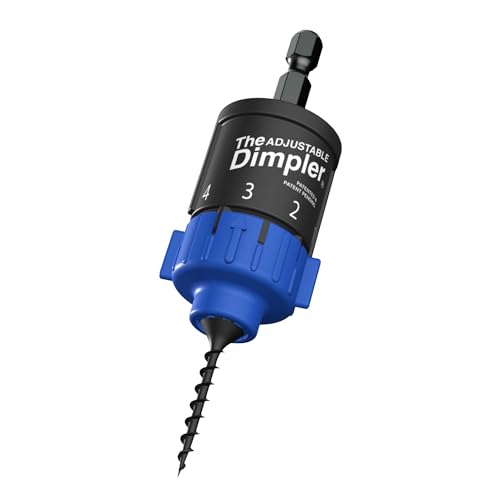
DIMPLER Adjustable Drywall & Deck Screw Gun Attachment
- ✓ Precise screw depth control
- ✓ Easy to attach and use
- ✓ Versatile for multiple materials
- ✕ Slight learning curve
- ✕ Not compatible with all drills
| Adjustable Depth Settings | 4 levels for precise screw depth control |
| Compatible Drills | Electric drills and impact drills |
| Screw Material Compatibility | Drywall, deck, particle board, plywood |
| Magnetic Screw Holder | Yes, securely grips screws during installation |
| Included Accessories | Drywall bit and screw gun attachment |
| Price | USD 19.95 |
Many people assume that using a standard drill for drywall or deck screw installation is enough, but I’ve found that it often leads to uneven screw depths and frustration. That misconception gets debunked pretty quickly once you try the DIMPLER Adjustable Screw Gun Attachment.
This attachment feels surprisingly solid in your hand, with a sleek design that’s easy to handle. The adjustable clutch with four depth settings is a game-changer.
You can dial in the perfect screw depth without stopping to double-check each time.
Attaching it to your drill is straightforward, and it instantly transforms your existing tool into a precise screw gun. The drywall bit is well-made, making screw insertion smooth and consistent.
Plus, the magnetic screw holder is a small detail that saves you from dropping screws constantly.
What really impressed me is how well it works across different materials—drywall, plywood, particle board, and even decking. It’s versatile enough for a wide range of projects, whether you’re a DIYer or a pro.
Using it, I noticed less fatigue and fewer adjustments needed during longer sessions. The magnetic holder keeps screws in place, which speeds up the workflow and reduces frustration.
Overall, it’s a simple but effective upgrade for anyone tired of messing with uneven screw depths or dropped screws.
DEWALT Drill Bit Set, 3-Flats Shank,14-Piece, 135 Degree

- ✓ Excellent for drywall
- ✓ Durable high-speed steel
- ✓ Slip-resistant shank
- ✕ Slightly bulky for tight spots
- ✕ No storage case
| Tip Design | 135 Degree Split Point for reduced walking |
| Material | High Speed Steel (HSS) |
| Coating | Black and gold anti-rust coating |
| Shank Type | 3-Flats shank to prevent spin-out |
| Size Range | Includes sizes larger than 3/16-inch |
| Intended Use | Suitable for drilling into plastic, wood, and metal |
As soon as I held the DEWALT 14-piece drill bit set, I noticed how sturdy and well-made it felt. The black and gold coating gives it a sleek look, and the 3-flats shank immediately caught my attention—definitely helps with slip resistance in the chuck.
I grabbed a sheet of drywall and started drilling. The 135-degree split point tip made piercing the drywall smooth and precise, with no wandering or walking.
It just bit into the material right away, saving me time and frustration.
The high-speed steel construction felt durable, even when I pushed a little harder than usual. I also appreciated the tapered web design, which seemed to add extra strength and resist breakage during heavier tasks.
The size markings on each bit made it easy to grab the right one quickly, especially when switching between sizes.
Using these bits on plastic and thin metal proved just as effective. They cut cleanly without overheating or dulling too fast.
The black and gold coating helped prevent rust, so I expect they’ll last a good long while, even with frequent use.
Overall, this set feels like a reliable choice for drywall and general household projects. The variety of sizes and solid build make it versatile, and the price is pretty reasonable for the quality you get.
If I had to point out a small downside, the bits are a bit on the bulky side for tight spaces, and the set could include a storage case for better organization.
DEWALT Titanium Nitride Coated Drill Bit Set, 21-Piece

- ✓ Long-lasting titanium coating
- ✓ Starts on contact
- ✓ Wide size selection
- ✕ Slightly heavier than basic bits
- ✕ Not ideal for metal or masonry
| Material Coating | Titanium Nitride coating for increased durability and longer life |
| Shank Type | No spin shanks for secure grip and reduced slipping |
| Pilot Point | Starts on contact for cleaner holes and precise drilling |
| Web Design | Tapered web for greater durability and reduced breakage |
| Size Range | 1/16-inch to 1/2-inch in diameter |
| Case Material | Heavy-duty plastic case for organization and portability |
Out of nowhere, I noticed how smoothly this drill bit set sliced through drywall — I swear, it felt like I was cutting butter. I expected some struggle, but the pilot point started immediately, making the whole process feel effortless.
The titanium nitride coating really makes a difference. It kept the bits sharper longer, even after drilling through tougher spots.
The tapered web design adds extra durability, so I didn’t worry about breaking them during heavier use.
What surprised me most was how clean the holes stayed. No ragged edges or splinters, which is perfect when you’re hanging drywall or installing fixtures.
The shanks held firm without slipping, even when I applied a bit more pressure.
Another win is the wide size range. From tiny 1/16-inch holes for delicate work to 1/2-inch for bigger fixtures, everything fit snugly in the sturdy plastic case.
It’s compact but organized, so grabbing the right size is quick and easy.
Overall, these bits feel like they’re built to last. They handle repetitive drilling without losing their edge, saving me money and frustration.
Plus, they’re affordable for a 21-piece set that covers most drywall needs.
If you’re tired of bits that dull too fast or slip mid-drill, these might just change your game. They’re reliable, durable, and make drywall work much less stressful.
5 pcs Magnetic Drywall Screwdriver Bits PH2 for Sheetrock

- ✓ Strong chromium vanadium steel
- ✓ Excellent screw control
- ✓ Magnetic head prevents slipping
- ✕ Magnetic strength is mild
- ✕ Limited to PH2 size
| Material | Chromium vanadium steel |
| Bit Size | PH2 |
| Bit Lengths | 50mm (2 inches) and 60mm |
| Magnetic Head | Weak magnetic with non-slip design |
| Compatibility | Electric screwdrivers, manual screwdrivers, electric drills, impact drivers |
| Application | Drywall, gypsum board, woodworking board |
The moment I grabbed these PH2 drywall screwdriver bits, I noticed how solid they felt in my hand. The chromium vanadium steel construction gives them a reassuring weight and a smooth, polished finish that instantly says durability.
When I started screwing into drywall, I appreciated how the magnetic head held the screws securely—no slipping or dropping, even when I was working at awkward angles.
The magnetic feature really makes a difference. It helps me control the screw depth perfectly, which is crucial for a clean, professional look.
Plus, the weak magnetic grip isn’t overpowering; it just holds the screw steady without making the process cumbersome. Switching out bits is straightforward too, thanks to the quick change extension drill bit holder, saving me time on multiple projects.
I used these bits with a cordless drill, and they fit snugly into my impact driver without any wobble. The 50mm length is ideal for most drywall tasks, and the 60mm extension is a handy addition for tight spots or deeper holes.
They’re compatible with a variety of power tools, making them versatile for drywall, woodworking, or general screwing tasks.
Overall, these bits deliver consistent performance, making drywall installation smoother and faster. They’re durable enough to withstand repeated use without dulling or breaking.
For anyone tired of slipping or stripping screws, these should definitely be on your list.
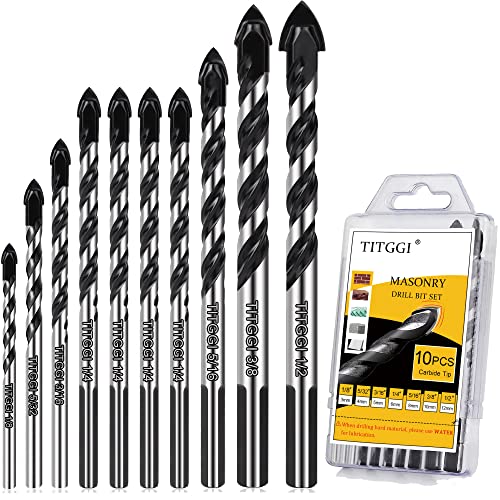
TITGGI 10-Piece Masonry & Concrete Drill Bit Set, 1/8″-1/2
- ✓ Durable carbide tips
- ✓ Fits most drills
- ✓ Wide size range
- ✕ No carrying case
- ✕ Can overheat if not cooled
| Shank Type | 3-flat shank for secure grip and easy plug-in |
| Bit Sizes | [‘1/8″‘, ‘5/32″‘, ‘3/16″‘, ‘1/4″‘, ‘5/16″‘, ‘3/8″‘, ‘1/2″‘] |
| Material | Industrial strength carbide tip with tungsten carbide drill bit |
| Design Features | Double U-type groove for fast dust removal |
| Application Materials | [‘Glass’, ‘Ceramic’, ‘Cement’, ‘Wood’, ‘Brick’, ‘Travertine’, ‘Hard plastic’] |
| Set Quantity | 10 pieces |
As I grabbed this TITGGI 10-piece masonry drill bit set, I immediately noticed how solid and heavy they felt in my hand. The textured metal surface and the sharp, carbide tips looked ready for some serious drilling.
I decided to start with the smallest bit, 1/8″, to make a pilot hole in my ceramic tile.
The double U-type groove slot design really helped clear out dust and debris quickly, making the drilling process smoother. I was surprised at how fast it cut through the tile without any cracking or chipping—something I usually struggle with on tricky surfaces.
Switching to the larger bits, I was able to drill into concrete and brick with ease. The 3-flat shank fit tightly into my drill, which meant no slipping or wobbling.
I appreciated how versatile these bits are, handling glass, plastic, and wood just as well.
What stood out most was the durability. After multiple holes in tough materials, the tips showed no signs of dulling.
Cooling with water during the process kept everything cool and extended the bits’ lifespan. Overall, this set offers a lot of value for a very affordable price.
If you need a reliable set for both home projects and professional tasks, these drill bits will likely cover all your needs. They make drilling easier and more efficient, saving you time and frustration.
What Are the Most Common Drill Bits for Sheetrock?
The most common drill bits for sheetrock include specific types designed for efficiency and precision.
- Spade Bit: Spade bits are flat and have a sharp cutting edge, making them ideal for drilling large holes in sheetrock quickly. They are particularly useful when you need to install electrical boxes or run cables through walls.
- Twist Drill Bit: Twist drill bits are versatile and can create smaller, precise holes in sheetrock. These bits are great for installing screws or anchors and are available in various diameters to accommodate different fasteners.
- Hole Saw Bit: A hole saw bit is perfect for cutting larger diameter holes in sheetrock, such as for recessed lighting fixtures or plumbing pipes. These bits have a cylindrical shape with teeth around the edge, allowing them to cut through the material efficiently.
- Drywall Bit: Specifically designed for drilling through drywall, drywall bits have a unique tip that helps to prevent tearing or damaging the sheetrock surface. They are often used for making pilot holes for screws, ensuring a clean and precise fit.
- Step Bit: Step bits are ideal for creating varying hole sizes in sheetrock and are particularly useful for tasks that require different diameters without changing bits. They feature a conical shape with multiple cutting edges, allowing for smooth and efficient drilling.
Why Are Specialized Drill Bits Important for Sheetrock?
The underlying mechanism involves the composition and structure of sheetrock, which is made from gypsum plaster sandwiched between two sheets of heavy paper. When using standard drill bits, the force exerted can cause the material to tear or crumble, leading to rough edges or even structural damage. Specialized drill bits mitigate this issue by applying a more precise cutting action that aligns with the softer nature of the drywall, allowing for a clean entry point for screws or anchors, thus preserving the material’s strength and appearance.
Furthermore, the use of the correct drill bit helps in achieving optimal depth and size for fasteners, which is vital for ensuring that the screws hold securely and do not back out over time. This is particularly important in areas subject to stress or movement, as improper installation can lead to repair costs and potential safety hazards. Therefore, investing in the best drill bit for sheetrock is essential for anyone undertaking drywall installation or repair projects.
How Does Drill Bit Design Affect Performance on Sheetrock?
The design of a drill bit significantly influences its performance when working with sheetrock, impacting factors such as efficiency, precision, and durability.
- Bit Material: The material of the drill bit affects its hardness and longevity. High-speed steel (HSS) bits are common for sheetrock due to their balance of durability and cost-effectiveness, while carbide-tipped bits offer increased wear resistance for more extensive projects.
- Tip Geometry: The shape of the drill bit tip plays a crucial role in how well it penetrates sheetrock. A sharp, pointed tip allows for easier starting and reduces the likelihood of tearing the material, which is essential for clean holes and minimizing damage.
- Flute Design: The flutes of the drill bit are responsible for removing debris during drilling. A wider flute design can help in clearing dust and particles more efficiently, preventing clogging and ensuring a smoother drilling experience.
- Shank Size and Type: The shank of the drill bit must be compatible with the drill being used. A hex shank provides better grip and stability in power drills, which can improve drilling accuracy and reduce the chances of the bit slipping during operation.
- Length and Diameter: The length and diameter of the drill bit should be chosen based on the specific thickness of the sheetrock. Longer bits are necessary for thicker panels, while wider bits can create larger holes, which may be needed for electrical or plumbing installations.
Which Materials Are Best for Drill Bits Designed for Sheetrock?
The best materials for drill bits designed for sheetrock include:
- High-Speed Steel (HSS): High-speed steel is a popular choice for sheetrock drill bits due to its durability and ability to withstand high temperatures during drilling. These bits are versatile and can easily penetrate drywall, making them ideal for creating holes for fixtures or electrical outlets.
- Carbide-Tipped Bits: Carbide-tipped drill bits are known for their exceptional hardness and longevity, making them suitable for heavier-duty applications. While they are often used for tougher materials, they can also be effective for sheetrock, providing clean cuts without excessive wear.
- Spiral Flute Bits: Spiral flute bits are designed to efficiently remove debris while drilling, which is particularly useful when working with sheetrock. Their spiral design helps maintain a steady cutting action, ensuring smooth and accurate holes with minimal effort.
- Auger Bits: Auger bits are equipped with a screw tip that helps to pull the bit into the material, making them effective for drilling larger holes in sheetrock. These bits are especially useful for applications that require deeper holes, such as running cables or pipes.
- Wood Bits: Although primarily designed for wood, certain wood drill bits can work well with sheetrock due to their sharp edges and ability to create clean holes. They can be particularly useful when you need to drill through both drywall and wooden studs.
What Features Should Be Considered When Choosing a Drill Bit for Sheetrock?
When choosing the best drill bit for sheetrock, several key features should be considered to ensure efficiency and effectiveness in your project.
- Bit Material: The material of the drill bit affects its durability and performance. High-speed steel (HSS) bits are common for sheetrock due to their strength and resistance to wear, while carbide-tipped bits offer increased longevity and the ability to handle tougher jobs.
- Bit Size: The size of the drill bit determines the diameter of the hole it will create, which is crucial for the type of fasteners or anchors being used. Typically, a 1/8-inch or 3/16-inch bit is ideal for most drywall screws, but larger bits may be needed for specific applications.
- Flute Design: The design of the flutes on the bit impacts the removal of dust and debris while drilling. Bits with deeper flutes allow for better chip removal, preventing clogging and ensuring a cleaner hole, which is essential for maintaining the integrity of the sheetrock.
- Point Style: The point style of the drill bit can influence how easily it penetrates the sheetrock. A sharp, pointed tip allows for precise entry and reduces the chances of the bit wandering, which is particularly important when drilling into drywall.
- Shank Type: The shank type determines how the bit will fit into the drill. A hex shank provides a secure grip in a drill chuck, preventing slippage, while a round shank is more common but may not provide the same level of security during use.
- Length: The length of the drill bit is also important, especially if you need to reach into tight spaces or drill at awkward angles. Longer bits can help in accessing hard-to-reach areas, but they may reduce control and increase the risk of breaking.
- Compatibility with Drill Type: Ensure that the drill bit is compatible with the type of drill you are using. Some bits are specifically designed for use with cordless drills, while others may be better suited for hammer drills, impacting performance and efficiency.
What Are the Best Practices for Drilling into Sheetrock?
When drilling into sheetrock, it’s important to follow best practices to ensure a clean and efficient process.
- Choose the Right Drill Bit: The best drill bit for sheetrock is typically a standard twist bit or a spade bit, designed for creating clean holes without tearing the paper facing.
- Use a Stud Finder: Before drilling, use a stud finder to locate any studs behind the drywall to avoid damaging the wall and ensure that screws or anchors are securely fastened.
- Mark Your Spot: Clearly mark the spot where you plan to drill to ensure accuracy and to minimize unnecessary holes in the drywall.
- Set the Drill Speed: Use a moderate speed when drilling; too high of a speed can cause the drywall to crumble, while too slow may not penetrate effectively.
- Drill at a Right Angle: Always drill at a right angle to the surface to prevent the bit from slipping and to ensure a clean entry point.
- Consider Depth Control: If your drill has a depth control feature, use it to prevent drilling too deep and damaging anything behind the wall.
- Use a Vacuum Attachment: To minimize dust, consider using a vacuum attachment on your drill to keep the workspace clean while drilling.
Choosing the right drill bit is crucial, as a standard twist bit or a spade bit will provide clean holes without ripping the drywall paper, which is essential for maintaining the integrity of the wall. Using a stud finder helps identify any structural components behind the sheetrock, preventing accidental damage and ensuring that any hardware is securely installed.
Marking your drilling point accurately reduces the chances of making unnecessary holes, which can be difficult to repair. Setting the drill speed to moderate ensures that you drill efficiently without damaging the drywall, while maintaining a right angle keeps the hole uniform and clean.
Using depth control prevents you from drilling too deep, which could potentially damage electrical wiring or plumbing hidden behind the wall. Lastly, incorporating a vacuum attachment helps manage dust, keeping your working area tidy and reducing cleanup time.
How Can You Maintain Your Sheetrock Drill Bits for Longevity?
To ensure the longevity of your sheetrock drill bits, consider the following maintenance tips:
- Clean After Use: Always clean your drill bits immediately after use to remove dust, debris, and any dried joint compound.
- Sharpen Regularly: Regularly sharpen your drill bits to maintain their cutting edges, which will help them perform better and last longer.
- Store Properly: Store your drill bits in a dry, organized place, preferably in a protective case that prevents them from getting damaged or dulled.
- Avoid Overheating: Use moderate pressure while drilling to avoid overheating, which can weaken the bit and reduce its effectiveness.
- Use the Right Drill Speed: Adjust the drill speed according to the material; using the right speed can prevent excessive wear and tear on the bits.
Cleaning your drill bits after each use is crucial because it prevents build-up that can impair their effectiveness. Use a soft brush or cloth to wipe them down, and ensure that they are free from any material that might cause corrosion or rust.
Regular sharpening of your drill bits helps maintain their cutting efficiency. Dull bits require more force, which can lead to overheating and damage, so invest in a sharpener or take them to a professional for maintenance.
Proper storage is vital in prolonging the life of your drill bits. Keep them in a designated container or case that protects them from physical damage and moisture, which can lead to rust.
Overheating can severely compromise the integrity of your drill bits; hence, it’s best to apply only moderate pressure when drilling. This technique not only enhances control but also minimizes the risk of damaging the bits.
Using the right drill speed according to the material being drilled is essential. A slower speed is often ideal for sheetrock, as it reduces friction and wear, allowing the bits to maintain their sharpness for a longer period.
Related Post: